AI Agent Development
Autonomous Systems That Actually Do the Work
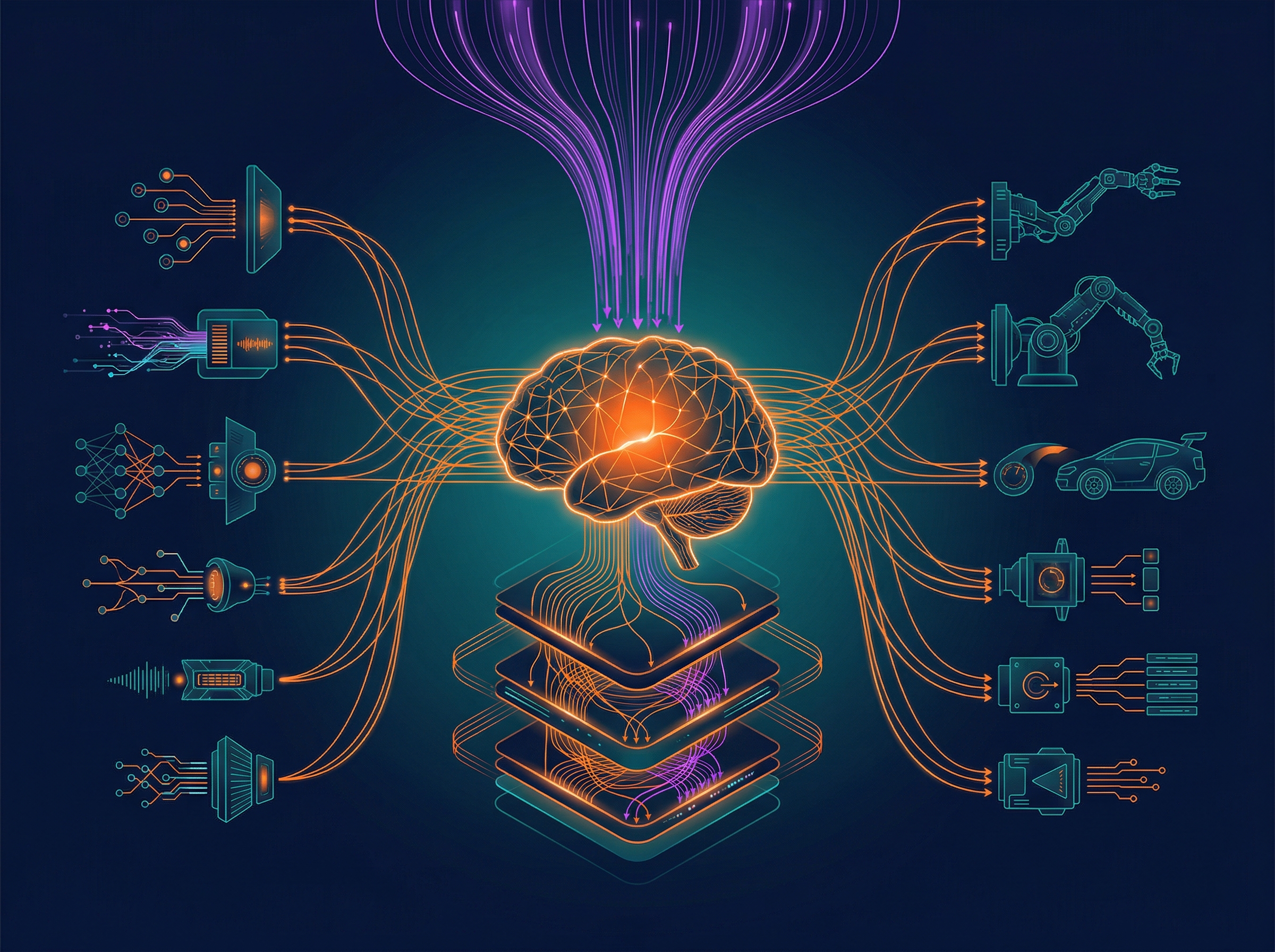
Chatbots answer questions. AI agents complete tasks. I build purpose-built AI agents that plan, execute, and iterate on business workflows autonomously — from data processing to content generation to customer operations. The shift from generative AI to agentic AI is the defining trend of 2026.
Choose your package
Prospect Audit
10-minute scan. Top 5 fixes. Branded single-page PDF you can pitch to any prospect.
Most PopularAI SEO Audit
40 checks, 12 categories, AI readiness scoring. Full branded PDF report.
Advanced Audit
Everything in AI Audit plus competitor gap analysis, content strategy, and implementation roadmap.
You Need AI That Does Things, Not Just AI That Talks
Most businesses are stuck on chatbots — AI that answers questions but doesn't take action. The next step is agentic AI: systems that autonomously plan workflows, execute tasks, and iterate on results without human intervention for every step.
66% of executives see measurable value from AI agents, with 88% planning budget increases for agentic AI. But building agents that work reliably in production — not just in demos — requires deep understanding of orchestration, error handling, and guardrails.
I build AI agents for specific business workflows. Not generic assistants — purpose-built systems that handle defined tasks with defined quality standards. Each agent is tested, monitored, and maintained for production reliability.
What You Get
Custom Agent Architecture
Purpose-built agents designed for your specific workflow — not a generic framework adapted to fit.
Multi-Step Task Execution
Agents that handle multi-step workflows : research, analysis, content generation, data processing, and reporting.
Tool Integration
Agents connected to your existing tools — CRM, analytics, CMS, databases, APIs — acting on real data.
Guardrails & Quality Control
Built-in validation, human-in-the-loop checkpoints, and output quality monitoring .
Monitoring & Observability
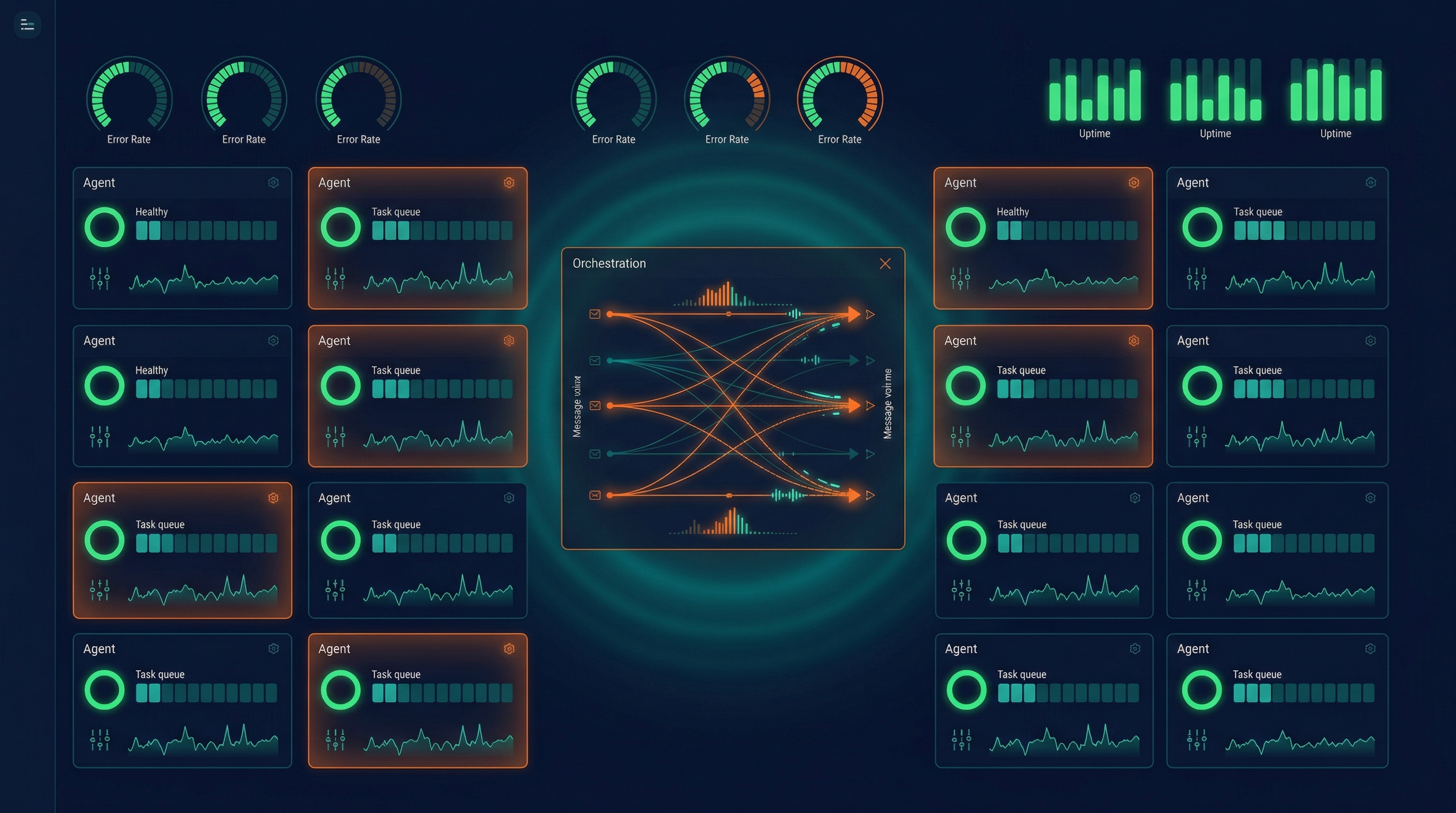
Full visibility into agent actions, decisions, and outputs. Know what the agent did and why.
Iterative Improvement
Agents improve over time through feedback loops and performance data. Better output with every iteration.
How It Works
Use Case Definition
I define exactly what the agent should do, what tools it needs, and what 'good output' looks like.
Agent Architecture
System design including LLM selection , tool integrations, orchestration logic, and guardrails.
Build & Test
Agent built, tested with real data, and refined until output quality meets production standards.
Deploy & Monitor
Production deployment with monitoring, logging, and alerting. Ongoing maintenance included.
How to get started with AI agent development
Managed — I Run It for You
I handle everything. Systems configured, maintained, and operated on your behalf. You receive the output. Predictable monthly cost, no hiring, no training.
Book a Call →Buy — Own the System
Purchase the automation system and run it in-house. Full documentation, training, and handover. One-time cost, full ownership, no lock-in.
Get a Quote →Bespoke — Built to Your Spec
Need something specific? I build custom systems to your exact requirements. Your specification, your workflow, your rules.
Discuss Requirements →Who built this
Every system, every pipeline, every deliverable — built and maintained by one person.

Credentials
Experience
I build AI agents that run in production, not demos. Every agent I deliver has guardrails, monitoring, and defined quality standards before it touches live data.
Why this matters
- ✓ Purpose-built agents for specific business workflows
- ✓ Every agent includes monitoring, logging, and quality control
- ✓ From single-task agents to complex multi-step systems
Frequently Asked Questions
What's the difference between a chatbot and an AI agent?
A chatbot responds to questions. An AI agent takes actions — it can research, process data, generate content, update systems, and complete multi-step tasks autonomously.
What tasks can AI agents handle?
Content generation, data processing, report creation, customer communication, research, quality assurance, and workflow automation. If it's repetitive and rule-based, an agent can probably do it.
Is this safe? What if the agent makes mistakes?
Every agent has built-in guardrails — validation checks, quality thresholds, and human-in-the-loop checkpoints for critical actions. They're designed to fail safely.
Which AI models do you use?
Claude, GPT-4, and Gemini — selected based on the task requirements. Different models excel at different tasks.
How long does development take?
Simple agents: 2-4 weeks. Complex multi-tool agents: 6-12 weeks. I scope thoroughly before starting.
What does this cost?
From £3,000 for simple single-task agents to £15,000+ for complex multi-step systems. Ongoing hosting and maintenance from £200/month.
Related Services
Ready to build your first AI agent?
Book a 15-minute call. I'll ask about your workflows, identify where an AI agent would deliver the most value, and scope the build.
Still have questions? Get in touch